
Meet Julie Walther – Owner/Founder of Women In Trades Hub


Meet Julie Walther – Owner/Founder of Women In Trades Hub
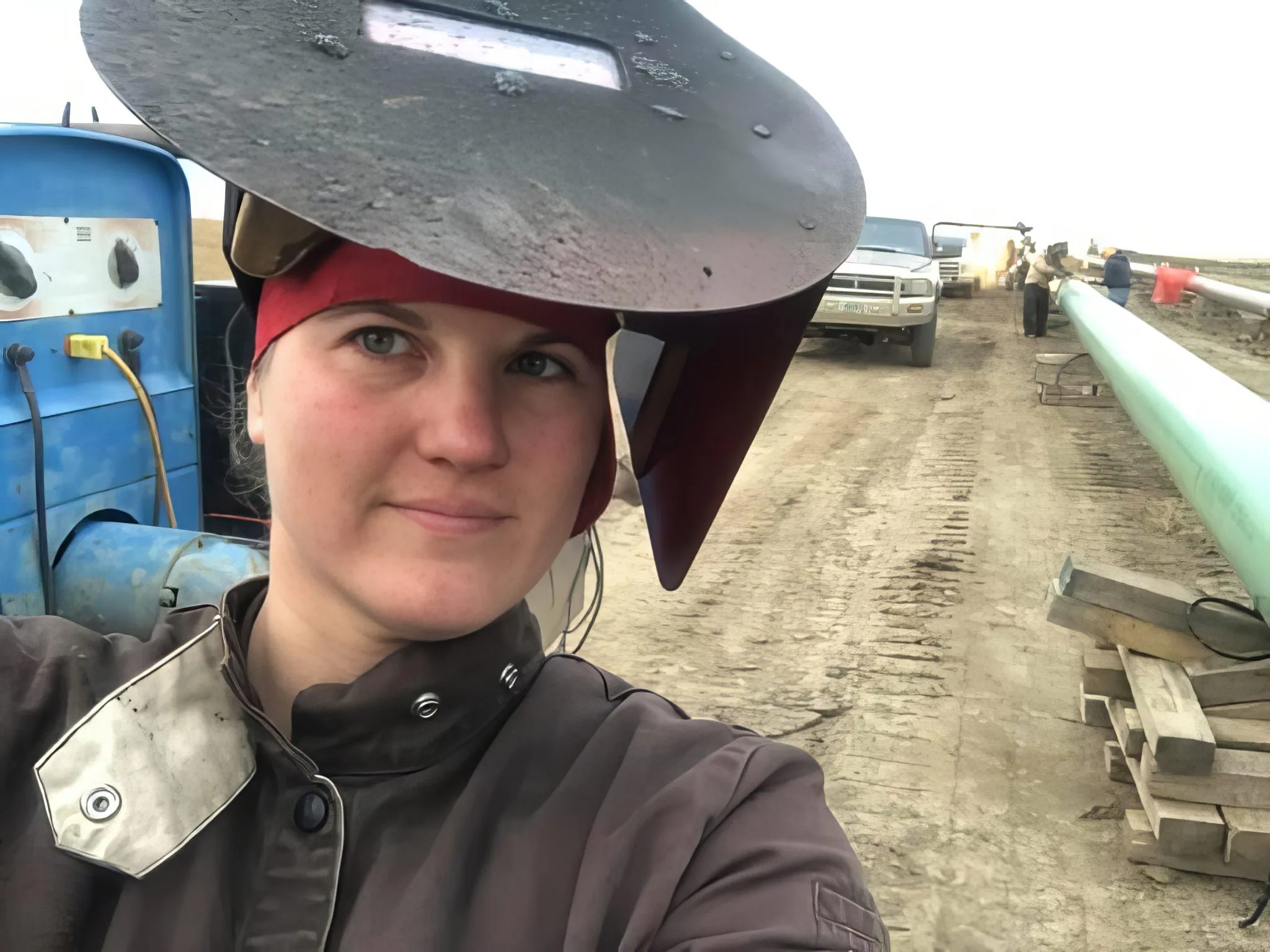
Julie Walther’s journey is one of craftsmanship, advocacy, and impact. From her early days as a metalsmith to her work in youth development and philanthropy, she has always championed opportunities for women. As the founder of Stagehands Clothing, she worked to curate durable, well-fitting workwear offerings for women in physically demanding fields.
Her passion for supporting women in trades led her to co-found Women in Trades Meetup in 2023, which quickly grew into a thriving community. Seeing the need for more support, she expanded her mission with a for-profit venture Women In Trades Hub ,offering essential back-office services to women-led trades businesses, helping them focus on their craft while growing sustainably.
Through Julie paving the way for women to connect in Western North Carolina, a cohort of members created the non-profit Women in Trades NC. This work helps the trades ecosystem to build the next generation of skilled tradeswomen that is advocating for education, mentorship, and access to high-paying careers. With every step, she’s breaking barriers, building community, and creating lasting change.
Can you tell us a bit about yourself and your professional background?
My journey is one of craftsmanship, advocacy, and impact. From my early days as a metalsmith to my work in youth development and philanthropy, I have always championed opportunities for women. As the founder of Stagehands Clothing, I curated durable, well-fitting workwear offerings for women and men in physically demanding fields.
My passion for supporting women in trades led to co-founding a Women in Trades Meetup in 2023 in Asheville, NC. This quickly grew into a thriving community. Seeing the need for more support for women-owned businesses, I expanded my mission with a for-profit venture, Women In Trades Hub (The Hub). The Hub offers essential back-office services to women-led trades businesses, helping them focus on their craft while growing sustainably. We call it micro-staffing, where a company can hire a part-time worker to help in a wide range of areas such as bookkeeping, phone service, web design, document creation and inbox management. I quickly found the community also wants to hire these women so the Women In Trades Hub Directory was born and is quickly growing.
Through paving the way for women to connect in Western North Carolina, a cohort of members created the non-profit, Women in Trades NC. This work helps the trades ecosystem to build the next generation of skilled tradeswomen that is advocating for education, mentorship, and access to high-paying careers. With every step, I am working to break barriers, build community, and create lasting change.
What inspired you to pursue your current career or business venture?
I grew up in a family that believed in solving problems—if you didn’t like how the world worked, you stepped up and made the changes you wanted to see. As a feminist, a lesbian, and an activist at heart, I’ve always been driven by a desire to see women thrive—especially financially—and to do so unapologetically.
I began my career in the nonprofit sector because I believed that’s where social change happened. Over time, I realized that lasting change occurs when women have more power—especially financial power. Skilled trades can offer six-figure salaries, particularly for women who own their own businesses. And women don’t just support themselves—they support their families and give back to their communities. We work in community in ways that are deeply impactful.
That’s why I founded The Hub: to build a strong network of women ready to disrupt the male-dominated trades industry. We create space for women to grow their businesses, sharpen their professional skills, and connect with one another. The Hub strengthens the pipeline for women entering the trades, and we proudly celebrate and uplift all women—cisgender, transgender, and non-binary individuals—who embody the strength and resilience of womanhood.
How has being a queer professional influenced your career path and experiences in the workplace?
Being a queer professional hasn’t necessarily helped or hindered my career path directly, but it has shaped the way I show up in the world. I make it a point to be visible and supportive, especially for LGBTQ+ prospective clients who may be seeking affirming business collaborations. Whenever possible, I choose to support women-owned and LGBTQ-owned businesses. By being open about who I am, I hope to create space for others to feel safe doing the same.
What challenges have you faced as a queer professional in Western North Carolina, and how have you overcome them?
None that I am aware of.
What accomplishments are you most proud of in your professional journey?
I’m proud of the path I’ve taken—from starting my career in the nonprofit world to building a socially conscious for-profit business that unapologetically generates income for women. Early on, I believed the only way to do meaningful, justice-driven work was through nonprofits. Over time, I realized you can create a values-driven company that advances social change and generates profit. You can make money and make the world better—it doesn’t have to be either/or.
What advice would you give to other queer individuals looking to advance in their careers or start their own business?
Be your authentic self. When you’re doing what you love and speaking your truth, your best work will follow. Start by connecting with the queer community—it’s not only a supportive space to test your ideas and grow your business, but also a place to find genuine friendships and encouragement. Community is powerful, both personally and professionally.
How do you stay connected and engaged with the queer community in Western North Carolina?
I stay connected through active, intentional networking. I show up where socially minded professionals gather and focus on building real relationships. I ask questions—people naturally want to share about themselves, and when you understand their self-interests, you can find meaningful ways to align and invite them into your work. This approach works in all networking spaces, but I’ve found especially strong support and connection within the queer community.
Can you share a particularly memorable or impactful experience you’ve had as part of this business networking group?
I’m relatively new to the group, but I’ve already attended several events I discovered through it. I also regularly scroll through the member listings to get a sense of the businesses represented—it’s a great way to know what’s available when I need a service. Even in this short time, I’ve found it to be a valuable resource for connection and support.
What are your future goals or aspirations, both personally and professionally?
My vision is to help grow a movement of women supporting women—especially within the trades. These industries offer significantly higher wages and greater opportunities for financial independence, which can transform lives, families, and entire communities.
Professionally, I’m focused on building systems that make it easier for women to thrive in these fields—whether through employment or, ideally, through owning their own businesses. I want to help create clear, accessible pathways for women and girls to enter the trades, build skills, and step into leadership roles.
Personally, I’m committed to fostering a community rooted in collaboration, empowerment, and shared success. When women support each other, we all rise—and that’s the future I want to help shape.
How can the members of our networking group support you and your endeavors?
Please share my company with women-owned businesses and encourage them to reach out. Many women hesitate to invest in their own companies, often believing they need to do it all themselves. While we may know how to do it all, we don’t always love every part—or excel at every aspect—of running a business. That’s where we come in.
At Women in Trades Hub, we offer micro-staffing services and host a growing directory of women-owned businesses. It’s currently free to join, and we’ll be launching marketing efforts to the broader community soon. Your referrals and support mean everything.
What role does the local community play in your success, and why do you believe buying local matters?
The local community is at the heart of everything I do. The support, collaboration, and shared values of people in this region have been key to the growth of my work. Whether it’s through partnerships, word-of-mouth referrals, or just showing up for one another, the local network makes success possible—and meaningful.
Buying local is one of the most powerful ways we can invest in each other. Local business owners are deeply rooted in their communities—they care about the people they serve, and they reinvest their time, talent, and resources back into the place they call home. When you spend money with a local business, more of that money stays in the community, circulating through other small businesses, creating jobs, and building long-term resilience.
Supporting local isn’t just about keeping small businesses afloat—it’s about cultivating a thriving, interconnected community where everyone has a chance to grow. That’s the kind of economy and culture I want to be a part of, and it’s why I advocate for buying local and within the LGBTQ community every chance I get.



EMPOWERING WOMEN
Are you a woman looking to grow your trade business?
Julie Walther and Women in Trades Hub are here to help. From micro-staffing and business support to community networking and visibility, the Hub offers the tools and connections you need to thrive in the trades—on your terms.
Julie Walther
Owner/Founder: Women In Trades Hub
Phone: 773.865.4662
Email: julie@womenintradeshub.com
Website: womenintradeshub.com
